


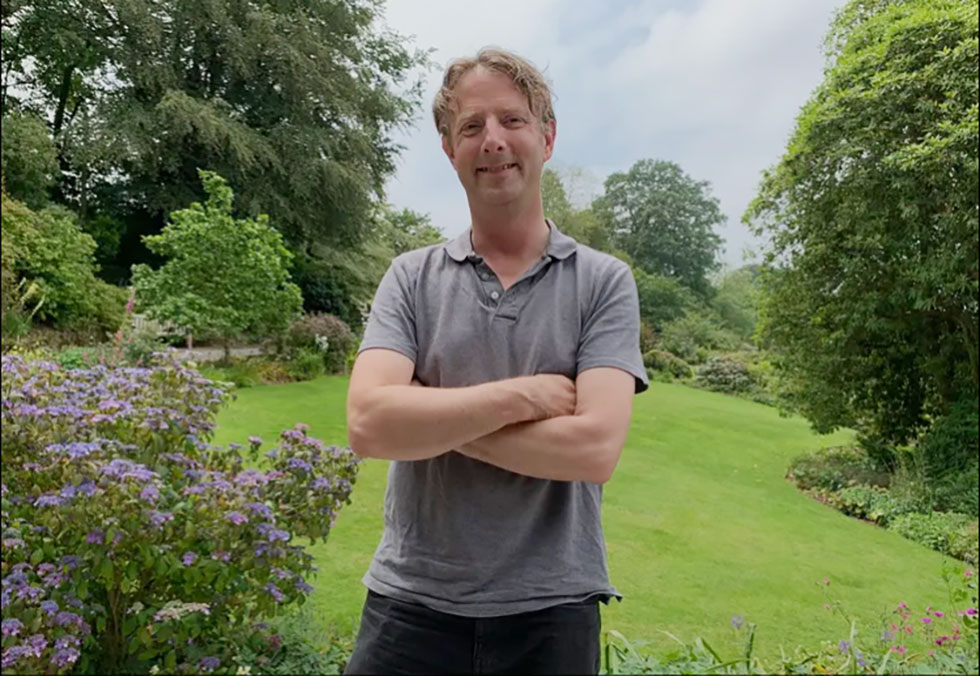
“I don’t know where I would have been without my own little green outdoor space” says Matthew Clarke while sitting on his south-west facing balcony on his third-floor flat in Camborne. “It has given me solace and calm despite the constant appointments, needles and worries that surrounded me during treatment. I have been able to grow leaves for salads, herbs for soups and flowers to make me feel better.”
Matthew started his treatment in Spring 2022 for Non-Hodgkin’s Lymphoma and found himself suffering from being overwhelmed. He discovered, however, the therapeutic nature of… nature. Since those very early bouts of chemotherapy, he has also attended the Vounder Therapy Garden at The Eden Project and The Potager Garden in Constantine.
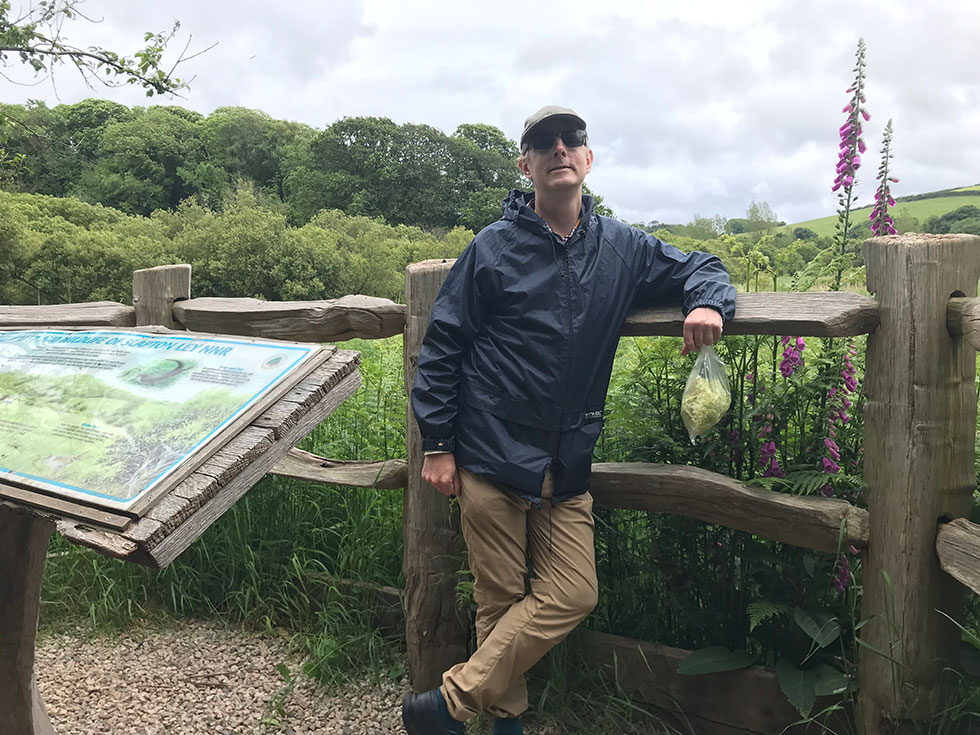
“I have always loved gardens and nature,” Matthew continues, “and I found walking in the countryside during COVID times a wonderful way to calm myself.”
Matthew has learned that recovering from cancer is more than a physical process: “it is an emotional, mental, and spiritual journey.” Amid his treatments, checkups, and uncertainty, he, like many others, found himself searching for moments of peace and control. One gentle yet profoundly grounding source of relief can be found just outside the door: time in nature or a garden.


Nature as a Soothing Companion
When undergoing or recovering from cancer treatment, the body works hard to heal. Nature has a quiet way of supporting that process. The rhythmic sounds of birds, the rustle of leaves, the feeling of soil between your fingertips can all help calm the nervous system and ease the body’s stress response. Just a short time spent outdoors has been shown to lower blood pressure, slow the heart rate, and reduce anxiety. It’s as if the mind and body finally get permission to exhale.
“We are so lucky in Cornwall,” Matthew says while gazing from his balcony out towards the coast, “because we have such wonderful landscapes and coast around us in which to chill out.”
“During the worst stages of treatment, I would go down to Gwithian to experience nature. I would sit for hours watching the waves and taking gentle strolls across the beach and through the dunes.”
A Sense of Purpose and Connection
Gardening, in particular, can provide something often missing during illness: a sense of purpose. Planting, watering, and nurturing life gives shape to days that may otherwise feel consumed by medical routines. Watching new shoots emerge and flowers open can mirror the recovery process. It presents a reminder that growth and renewal are always possible, even after the most difficult seasons.
Finding Stillness and Joy
Nature doesn’t ask for anything. It simply offers space in which to sit, breathe, and to just… be. For some, that means a quiet bench beneath a tree; for others, digging hands into the soil or tending to herbs on a windowsill. These small acts help reconnect you with sensations of the present moment: sunlight on your skin, the scent of earth, the simple magic of life continuing around you.

A Wholeness Beyond Treatment
Medical care heals the body, but recovery often requires nurturing the spirit too. Gardens can be sanctuaries providing places of reflection and renewal where hope can root itself again. In every leaf and bloom, there’s a quiet message of resilience and belonging: even after being cut back, life returns.
Whether it’s a walk through a local park, sitting outside with tea, or tending your own small garden, nature offers steady, wordless companionship on the path toward healing. Sometimes, this is exactly what the heart needs most.
Check with your consultant and cancer nurse
It is important to ask your medical team about any risks from gardening, particularly if you are neutropenic and/or your immune system is very low. Handling soil with bare hands can lead to an infection risk. Check whether it is safe beforehand.