

Cancer Fatigue: When Being Tired Is So Much More Than Being Tired
For many people living with cancer, fatigue is one of the hardest things to explain to family, friends and even themselves. It is not simply feeling a little tired after a busy day. It can be a deep, overwhelming exhaustion that affects the body, the mind and the heart.
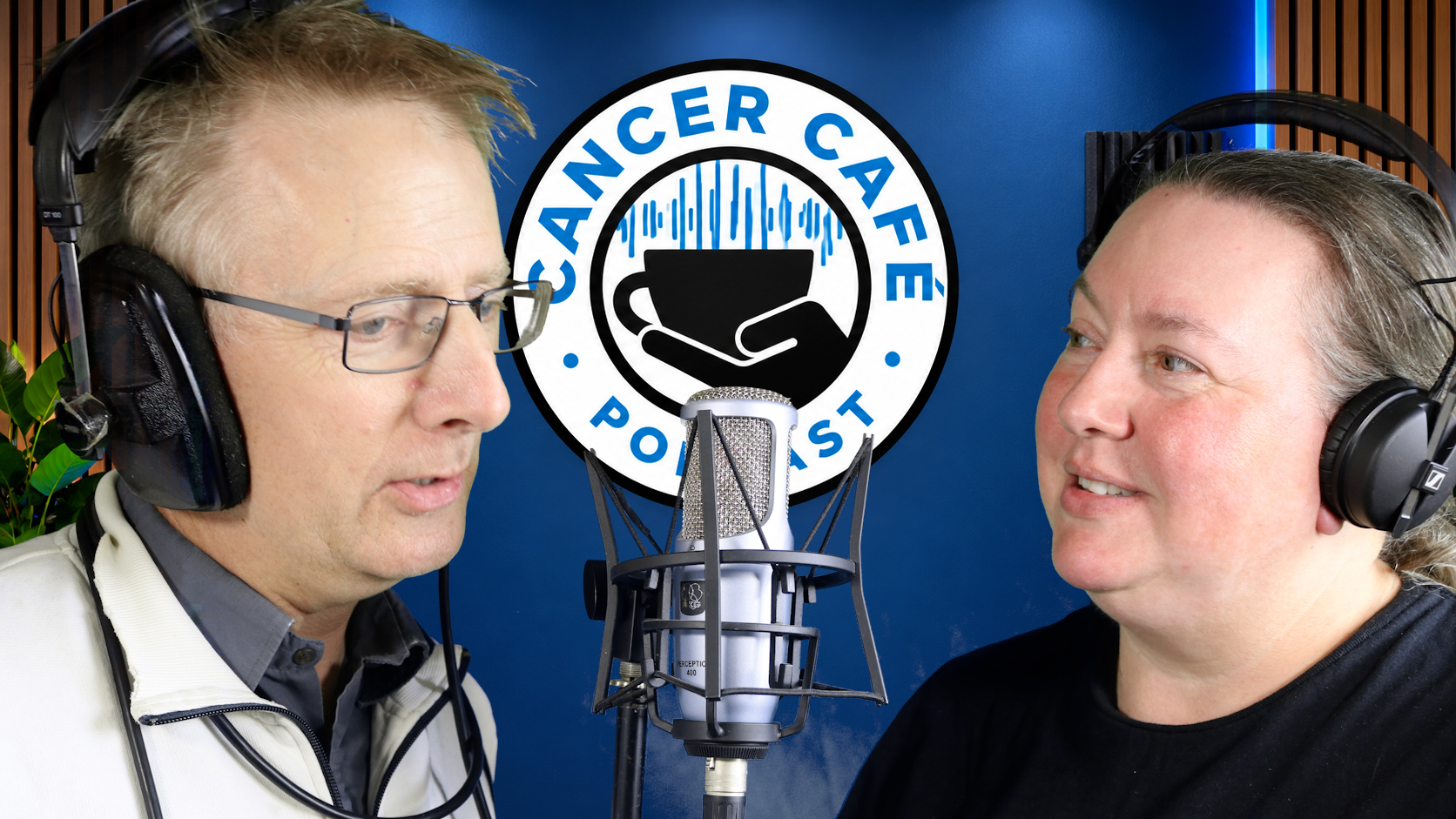
At the Cornwall Cancer Cafe Podcast, we want to talk about fatigue with kindness, understanding and without judgement. Because if you are experiencing it, you deserve to know that what you are feeling is real.
What is cancer-related fatigue?
Cancer-related fatigue is an exhaustion that can affect people during treatment, after treatment and sometimes long after their cancer journey has ended.
It can leave you feeling drained before the day has even begun. Getting dressed, preparing a meal, having a shower or walking to the shops may suddenly feel like enormous tasks.
Unlike ordinary tiredness, cancer fatigue does not always improve after a good night’s sleep. You might rest for hours and still wake up feeling exhausted.
And that can be incredibly frustrating, particularly if you are used to being independent, active and looking after everyone else.
Why does cancer cause fatigue?
There isn’t one single reason.
Cancer itself can affect the body’s normal processes, and the immune system may be working hard to respond to the illness.
Treatments such as chemotherapy, radiotherapy, surgery and immunotherapy can also place considerable demands on the body. Some treatments affect the production of healthy blood cells, which can contribute to anaemia and leave you feeling weak or breathless.
Pain, disturbed sleep, anxiety, changes in appetite and the emotional strain of living with cancer can all add to the exhaustion.
Sometimes, fatigue continues after treatment has finished. Your body may still be recovering, even when the appointments have stopped and everyone around you expects life to return to normal.
There is no timetable for recovery, and everybody’s experience is different.
The emotional side of exhaustion
Fatigue can affect much more than physical energy.
You might find it difficult to concentrate, remember things or follow a conversation. You may feel tearful, irritable or withdrawn.
Perhaps you have cancelled plans again, or feel guilty because you cannot do the things you used to do.
Please remember: you are not being lazy, and you are not letting anybody down.
Your body is dealing with a great deal. You are allowed to need help. You are allowed to change your plans. And you are allowed to have days when simply getting through the day is enough.
What might help?
Listen to your body and try to pace yourself. Breaking everyday tasks into smaller steps, accepting practical help and allowing time to rest can make things more manageable.
Gentle activity, when you feel able, may also help. But there is no need to push yourself or compare your progress with somebody else’s.
Most importantly, tell your cancer team about your fatigue. They can check for treatable causes, such as anaemia, infection, pain, medication effects or sleep problems, and help you find ways to manage it.
A little kindness goes a long way
If you are living with cancer fatigue, please be gentle with yourself.
You do not have to earn your rest. You do not have to explain your exhaustion to everybody. And you certainly do not have to face it alone.
At the Cornwall Cancer Cafe, we believe that sharing experiences, listening without judgement and offering a little understanding can make a difficult day feel less lonely.
Sometimes, the kindest thing we can say to somebody is simply:
“I understand. Take your time. We’re here for you.”
A Word of Caution
Always speak with your doctor, consultant, or cancer nurse before trying any new therapy to deal with fatigue. They can help you decide what is safe and appropriate for your individual condition and stage of treatment.